
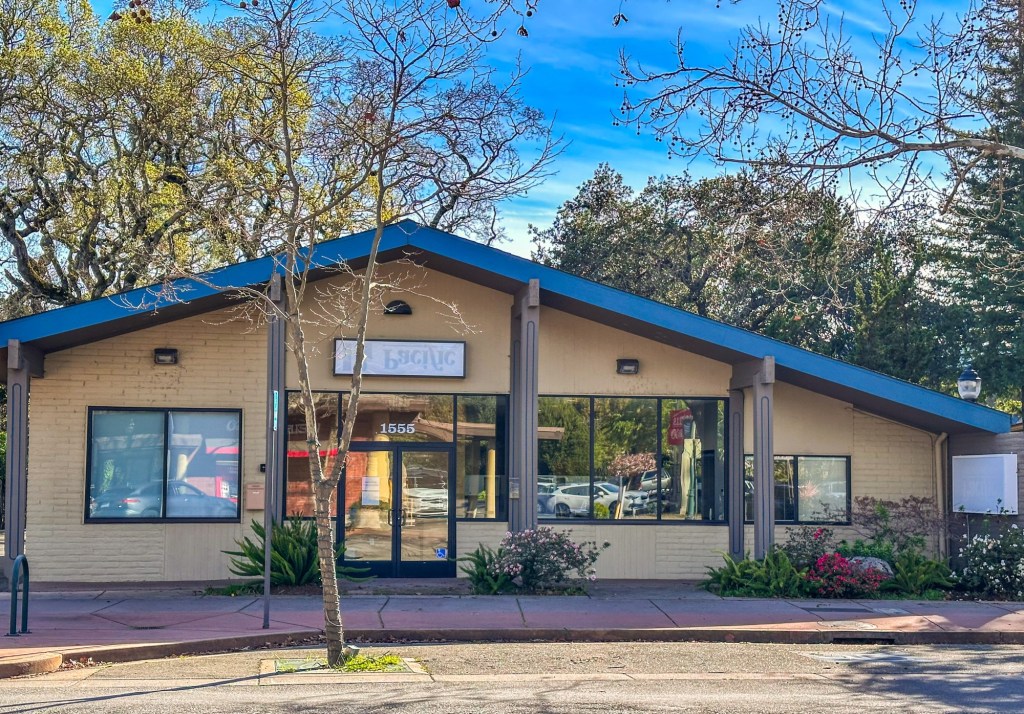
It’s still too early to tell what led to the recent abrupt closure of a Marin County real estate finance and investment company.
The Marin County District Attorney’s Office said it is looking into complaints from some of more than 100 investors in Pacific Private Money who say that since December they haven’t been able to access money invested with the company. The company, which claimed to have funded over $2 billion in property loans over its nearly two-decade history, is now being run by a San Francisco restructuring firm, and the Novato office is closed.
Some who have been involved with pursuing hundreds of millions of dollars in lost funds from several high-profile North Bay real estate scams in the past two decades say that whether this is a simple business failure or a fraud, it’s a reminder of the painful lessons learned in these cases:
In the PFI case, Oakland attorney Linda Lam was part of the Gibbs Mura team that brought a 2022 class-action federal lawsuit against what was then Umpqua Bank, alleging employees at its Novato branch overlooked 146 warnings from the institution’s fraud-detection software and handled 179 transfers totaling $5.2 million to private accounts of PFI principals Ken Casey and Lewis Wallach.

The scheme came to light following Casey’s death in 2020. The firms were pushed into bankruptcy. That resulted in the recouping of up to $145 million from the sale of 70 apartment and office buildings and about $40 million recovered from early investors under bankruptcy law for Ponzi cases. The primary profit from this type of fraud is derived from skimming funds, while returns to earlier investors are paid using money from newer investors.
“The message that investors should keep in mind when they’re approached with any type of private-investment opportunity is that they should approach it with skepticism, no matter what it is or no matter their proven track record, what they’ve heard of other investors enjoying in that investment,” Lam said.
A central pitch in the PFI scheme, Lam observed, was guaranteed returns well above market norms, for some, up to 10% annually. Lam urged investors to monitor their investments and demand transparency.
“There was no evidence that the returns investors were getting was actually being generated from what they were told it was supposed to be from — rental income from the properties,” Lam said.
Her team’s litigation against Umpqua, which merged with Columbia Bank in 2023, highlighted the role banks can play in detecting fraud and what happens when internal alerts go unheeded. Lam said banks have visibility into transactional flows that individual investors do not, and that automated monitoring systems often flag suspicious activity that requires human review.
“For example, if there’s a certain amount of money going into an account and then leaving an account within a very short time period that triggers an alert, and that alert should be reviewed by someone,” she said.
A bank spokesperson said it had been transparent in its dealings.
A couple of Pacific Private Money investors so far have reached out to Gibbs Mura to look into whether there could be a case to pursue, Lam said.
When Santa Rosa-based AGA Financial abruptly shut down in 2008, the fallout rippled across the North Coast, leaving many Fireman’s Fund Company retirees who had been sold on the promise of secure, high-yield real-estate investments facing steep losses.
San Rafael attorney Val Hornstein, who represented plaintiffs in the litigation that followed, said it remains a cautionary example of how trust in real estate and persuasive sales tactics can mask risky — and in some cases fraudulent — ventures.
Hornstein described how promoters used the tangibility of property to reassure investors.
“Everyone knows what real estate is. It’s dirt. You can touch it. You can go there, take a look at it,” he said in an interview.
Hornstein flagged several warning signs he often sees in cases like AGA’s. In addition to scrutinizing unusually high promised returns, novice investors should get the help of accountants and attorneys with private placement memorandums that can be dense and filled with boilerplate risk language that many people do not parse.
Due diligence for investors includes checking the credentials and regulatory history of those involved with the ventures, according to the California Department of Consumer Protection and Innovation. That means checking the professionals’ and firm’s registrations with the Securities and Exchange Commission (adviserinfo.sec.gov) and investment broker-dealer trade group FINRA (brokercheck.finra.org).






Leave a Reply