
TEHRAN, Iran — Iran will enter peace talks with the United States emboldened by the regime’s survival and the key leverage it still holds, experts say, even as Israeli strikes on Lebanon threaten to derail the process and the heavy cost of five weeks of war pile up.
Subscribe to read this story ad-free
Get unlimited access to ad-free articles and exclusive content.

“We have granted you a clear victory,” new Supreme Leader Mojtaba Khamenei said in a statement published by Iranian state media Thursday ahead of the talks expected to take place in Islamabad this weekend.
It’s a message that has been put forward consistently by Tehran this week. Like their American counterparts, Iranian officials celebrated what they said was a major victory in the war.
“The era of Iran has begun,” Vice President Mohammad Reza Aref boasted in a post on X after the two-week ceasefire was announced.
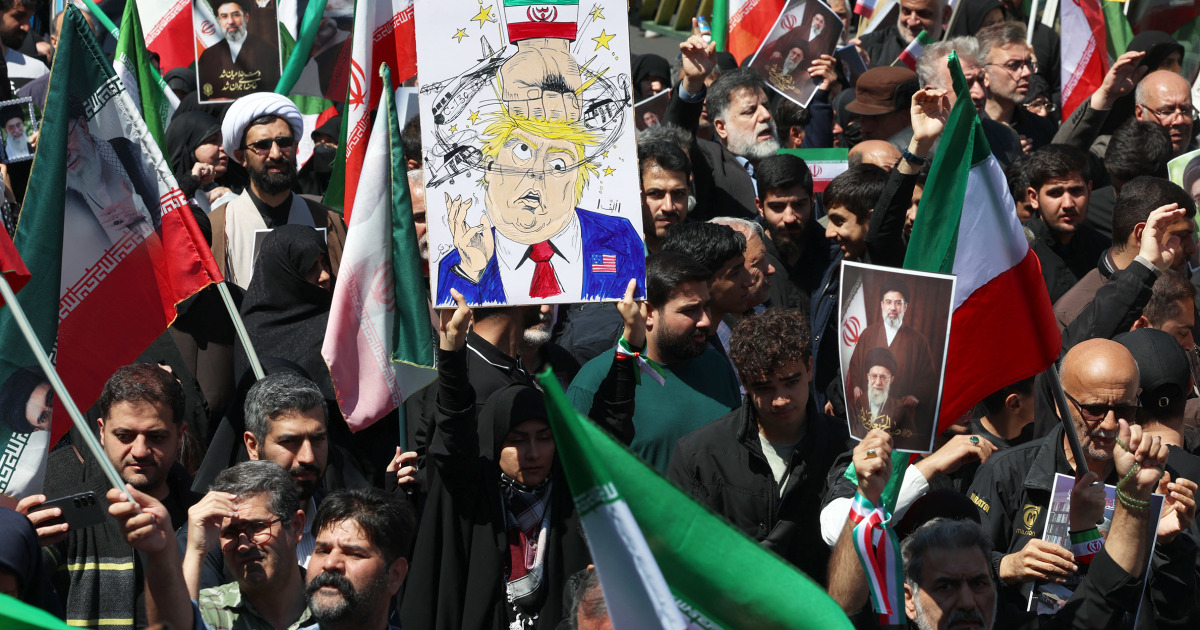
The truce made it possible for large pro-government crowds to gather safely in the heart of Tehran on Thursday to mark the 40th day since the killing of Supreme Leader Ayatollah Ali Khamenei. Some mourners beat their chests, crying and chanting against surrender or compromise.

“I’m not very optimistic, because we know the other side,” one attendee, Yahya, told NBC News. “I think it’s more of a deception, a trap.”
“What we want, they definitely won’t give us,” Yahya said. “And what they want, we definitely won’t accept.”
This wariness has also been present in comments by government officials, who have staked out a hard-line public stance on issues likely to be at the heart of negotiations: the Strait of Hormuz and Iran’s nuclear program.
‘Upper hand’
President Donald Trump had vowed to annihilate the “whole civilization” of Iran if it did not agree to a deal to reopen the strait, through which some 20% of the world’s oil passes.
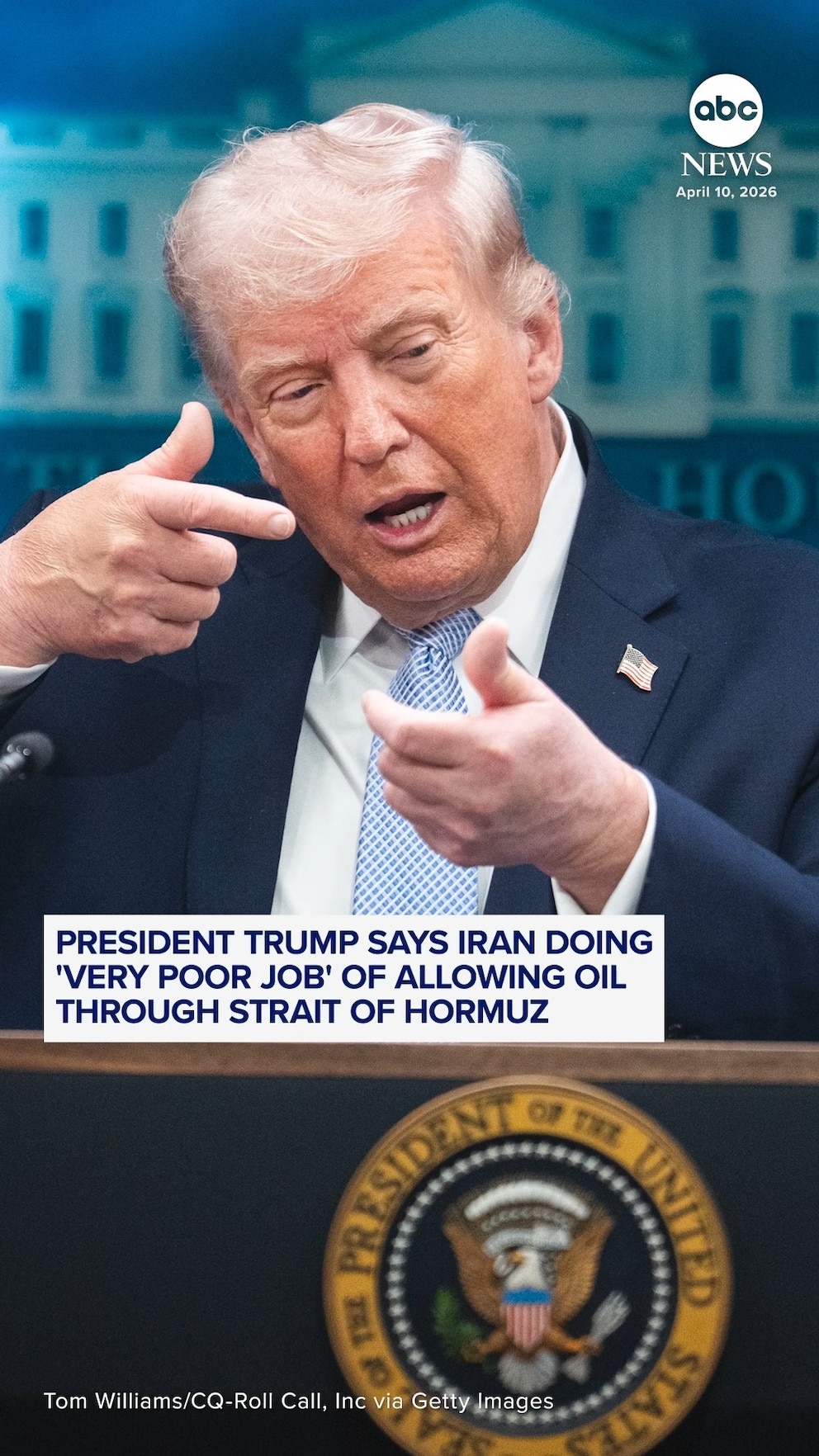
But just 48 hours after triumphantly announcing the truce, Trump accused Iran of “doing a very poor job” of opening up the waterway. Traffic has remained largely at a standstill despite the ceasefire, with Tehran demonstrating its continued ability to effectively shut the vital trade route and keep energy prices high.
“Iran has emerged from this phase of the war with the upper hand strategically because it’s effectively asserted authority over the Strait of Hormuz,” said Burcu Ozcelik, a senior research fellow for Middle East security at the Royal United Services Institute.
Still, she said, she did not foresee Trump agreeing to some of Iran’s more contentious demands.


Trump suggested that a 10-point proposal put forward by Tehran would be a “workable basis on which to negotiate” a fuller peace deal.
But U.S. officials have indicated he was not referring to the same 10-point plan outlined by Iranian officials and state media, which called for Iran’s continued control over transit through the strait and the complete withdrawal of U.S. combat forces from its bases across the region.
Multiple Iranian media outlets also reported that the plan includes “acceptance of enrichment” for Tehran’s nuclear program, which would seem to be at odds with the U.S. stance.
“I don’t believe that President Trump will concede to allowing Iran any type of pathway that might lead to its obtaining a nuclear weapon,” Ozcelik said.
“So, we’re in for a very difficult two weeks at the very least,” she said.
Andreas Krieg, a senior lecturer at King’s College London’s School of Security Studies, agreed, telling NBC News earlier this week that while Tehran “will want to make the point that enrichment will remain within Iran,” it would be a major victory if that demand was met.
Hanging over the talks, set to be led by Vice President JD Vance on the American side, is Lebanon.

Tehran has warned that Israel’s continued assault on Lebanon, where scores of people were killed in a massive Israeli attack after the Iran ceasefire came into effect, could render the talks meaningless.
Israel and the U.S. have maintained that Lebanon was not part of the ceasefire, but both Iran and mediator Pakistan have said it was.
Israel said it planned to hold direct talks with Lebanon, where it continued to trade attacks with the Iran-backed militant group Hezbollah. The Lebanese government has yet to respond to the offer, and it was unclear whether this would satisfy Iran.
Relief and fear in Iran
In Tehran, many residents were outside Friday morning, some meeting for coffee, eager to enjoy a semblance of normal life as many doubted the ceasefire would hold.
At the rally a day earlier, one man on a motorbike lamented that he had not been paid for two months in his job at an education company and had been forced to work at Snapp, the Iranian Uber. “Why are they happy?” he asked of the pro-regime crowd.
Even if the war is over, the country’s already ailing economy now faces dire trouble — though sanctions relief and compensation are also in Iran’s 10-point plan. A teacher expressed fears that water shortages may return and economic problems will persist if Iran doesn’t reach a good deal with the U.S.

One woman, 42-year-old Azadeh, said earlier this week that it was “too soon to say or be sure” what would happen in the days ahead.
She has been staying with family outside of Tehran but said she would head back to the capital to celebrate her birthday if the ceasefire is still in place.
“We all welcome peace,” she said.
Others were dismayed that, despite Trump’s assertions of regime change, the country’s hard-line clerical rulers remained in place.
“We really thought they were finished,” said one resident, a fitness coach from Tehran who has joined anti-regime protests since 2009.
“Many of us hoped this would finally end them. We tried everything, but it didn’t work,” the 36-year-old said earlier this week. “I’m not happy. What happens next?”






Leave a Reply