

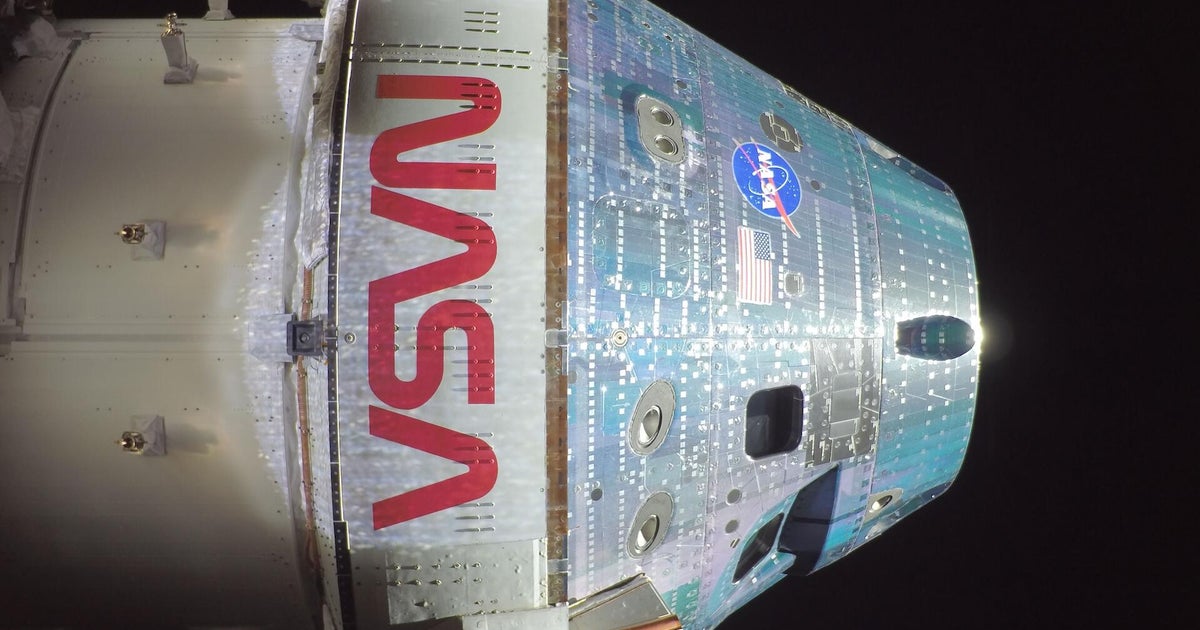
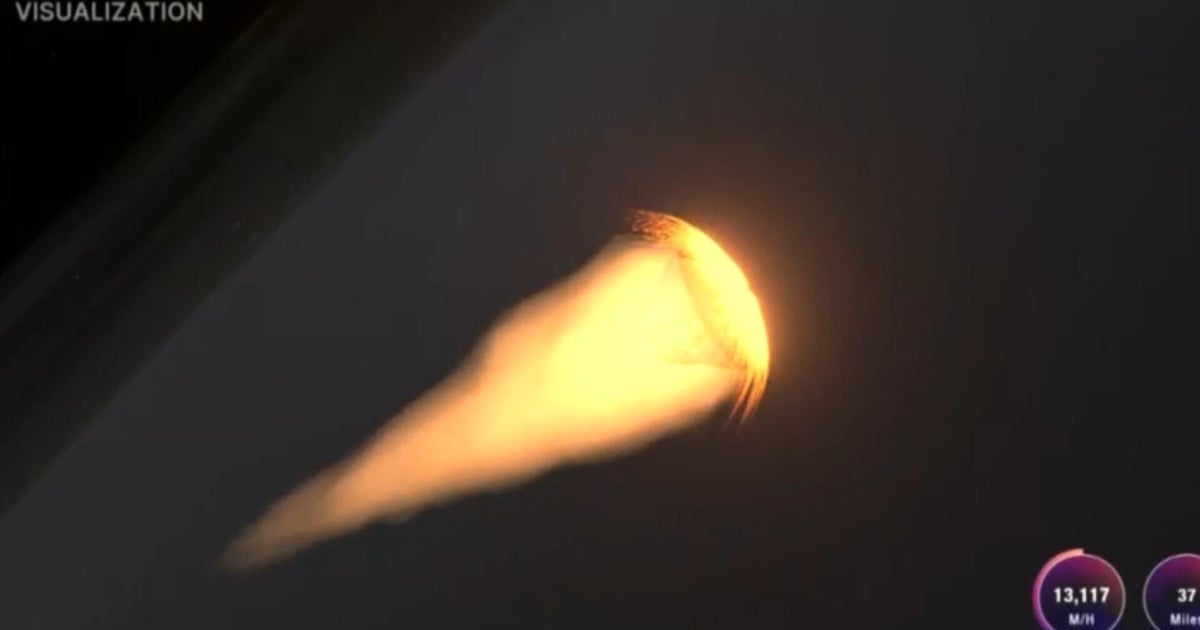
Re-entering Earth’s atmosphere is always a dangerous and risky part of human spaceflight, because a capsule plunging through the atmosphere can be exposed to temperatures of around 5,000 degrees Fahrenheit. But the stakes were especially high for the Artemis II mission because the Orion heat shield had a known flaw in its design.
During the uncrewed Artemis I test flight in 2022, NASA found that part of the heat shield’s material cracked during re-entry, “causing some charred material to break off in several locations.” To minimize risk to the Artemis II astronauts, NASA modified the capsule’s entry path so that it descended faster and at a steeper angle to shorten the amount of time it was exposed to the most extreme temperatures.
NASA said a full analysis will be done to assess the performance of the heat shield in the coming days after the Orion capsule arrives at NASA’s Kennedy Space Center in Florida.
Amit Kshatriya, NASA’s associate administrator, said the Artemis II mission was a critical stepping stone for NASA’s goal to land on the moon on a future Artemis flight.
NASA aims to launch the next mission, Artemis III, in mid-2027 to conduct technology demonstrations in low-Earth orbit with one or both of the lunar landers being built by SpaceX or Blue Origin. In 2028, the agency plans to launch the Artemis IV mission to land on the moon.
“The path to the lunar surface is open, but the work ahead is greater than the work behind us,” Kshatriya said. “It always will be. Fifty-three years ago, humanity left the moon. This time, we return to stay.”









Leave a Reply