
CBS’ decision to pull a “60 Minutes” segment on alleged torture and inhumane conditions inside a notorious El Salvador prison just hours before it aired stunned the UC Berkeley students whose research helped underpin the report.
The students at UC Berkeley Law’s Human Rights Center contributed to a Human Rights Watch report titled “‘You Have Arrived in Hell’: Torture and Other Abuses Against Venezuelans in El Salvador’s Mega Prison,” which details allegations of beatings, sexual abuse and harsh confinement at the Center for the Confinement of Terrorism, or CECOT.
-

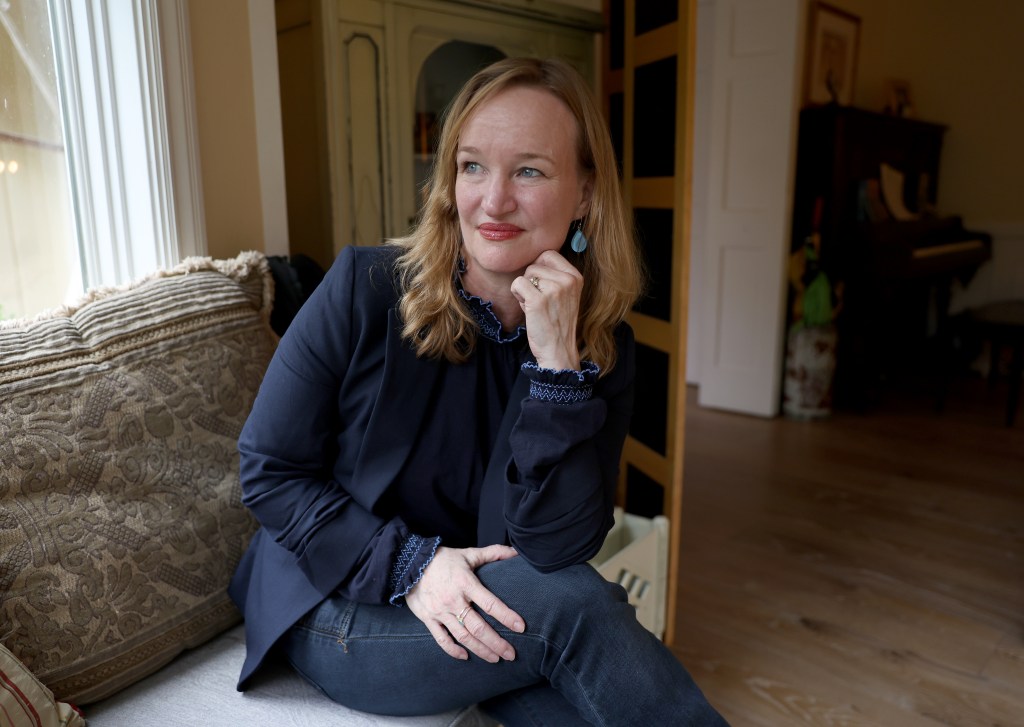
Professor Alexa Koenig, faculty director of the Human Rights Center at UC Berkeley, at her home in San Rafael, Calif., on Tuesday, Dec. 23, 2025. Koenig led the team that did the research which helped document allegations of beatings, sexual abuse and inhumane conditions at an El Salvadoran prison that held Venezuelan immigrants sent there by the Trump administration. CBS News is drawing criticism for pulling a “60 Minutes” segment highlighting the research. (Jane Tyska/Bay Area News Group)

1 of 2
Professor Alexa Koenig, faculty director of the Human Rights Center at UC Berkeley, at her home in San Rafael, Calif., on Tuesday, Dec. 23, 2025. Koenig led the team that did the research which helped document allegations of beatings, sexual abuse and inhumane conditions at an El Salvadoran prison that held Venezuelan immigrants sent there by the Trump administration. CBS News is drawing criticism for pulling a “60 Minutes” segment highlighting the research. (Jane Tyska/Bay Area News Group)
Expand
They analyzed satellite imagery and social media videos posted by prison visitors to help reconstruct the facility’s layout and corroborate accounts from 40 former detainees at the maximum-security prison, which held hundreds of Venezuelan immigrants deported by the Trump administration earlier this year.
The UCB students’ findings were slated to be featured in a “60 Minutes” segment CBS planned to air Sunday. But hours before broadcast, network executives halted the segment, saying in a social media post that it would run at a future date. A Canadian television network briefly posted the segment on its streaming app on Monday, and the video was soon downloaded and shared widely online.
Alexa Koenig, director of UC Berkeley Law’s Human Rights Center, said the students had been eager to see their work help inform the public about conditions inside the prison.
“It’s been disappointing after the incredible thought and care they put into doing this analysis,” Koenig said.
Human rights groups condemned the administration’s decision earlier this year to send immigrants to CECOT, a maximum-security prison built in 2023 and designed to hold thousands of alleged gang members. Administration officials have said the deportees belonged to criminal organizations that pose a threat to the United States, though critics have questioned the evidence used to support those claims.
After accepting the immigrants as part of a deal with the U.S. government, the El Salvadoran government brokered an agreement in July to return 252 Venezuelans to their home country in exchange for 10 U.S. citizens and permanent residents in Venezuelan custody.
Koenig, who was interviewed for the “60 Minutes” segment, said she received no explanation from producers about why the piece was postponed.
“It’s unfortunate that this story hasn’t had a chance to be seen by the American people,” she said, adding that it is important for citizens to understand actions taken by the U.S. government “in their name.”
CBS News and its parent company, Paramount, did not immediately respond to a request for comment.
According to multiple news reports, new CBS News Editor-in-Chief Bari Weiss pulled the segment in part because it lacked an on-the-record comment from an administration official. In an editorial call with CBS staff, Weiss said the story needed more reporting since the public was already aware that “Venezuelans have been subjected to horrific treatment in this prison,” according to the reports.

The segment’s reporter, Sharyn Alfonsi, criticized the decision in an email to colleagues obtained by news organizations, writing that she believed it was political rather than editorial.
CBS has since faced criticism from Democratic lawmakers and press advocates who accused the network of yielding to political pressure.
Paramount is owned by David Ellison, an ally of President Donald Trump who took control of the company this year after securing antitrust approval from the administration. His father, Oracle founder Larry Ellison, is a longtime Republican donor and adviser to the president.
Since being hired by Ellison to lead CBS News, Weiss has drawn scrutiny over editorial decisions at the network, including the handling of politically sensitive stories. She has rejected suggestions that those decisions reflect political bias.
For Koenig and her students, the focus remains on whether their research will ultimately reach a broad audience.
“They were excited to have a chance to really see the work amplified,” Koenig said. “And to hope it would have a positive impact.”



Leave a Reply