
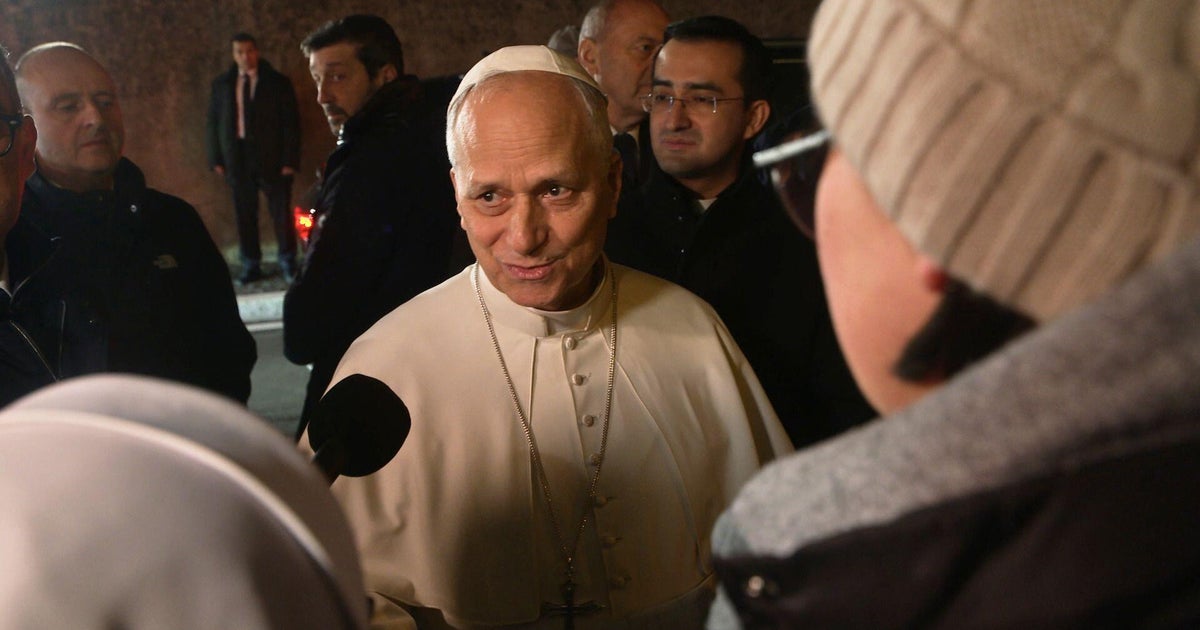
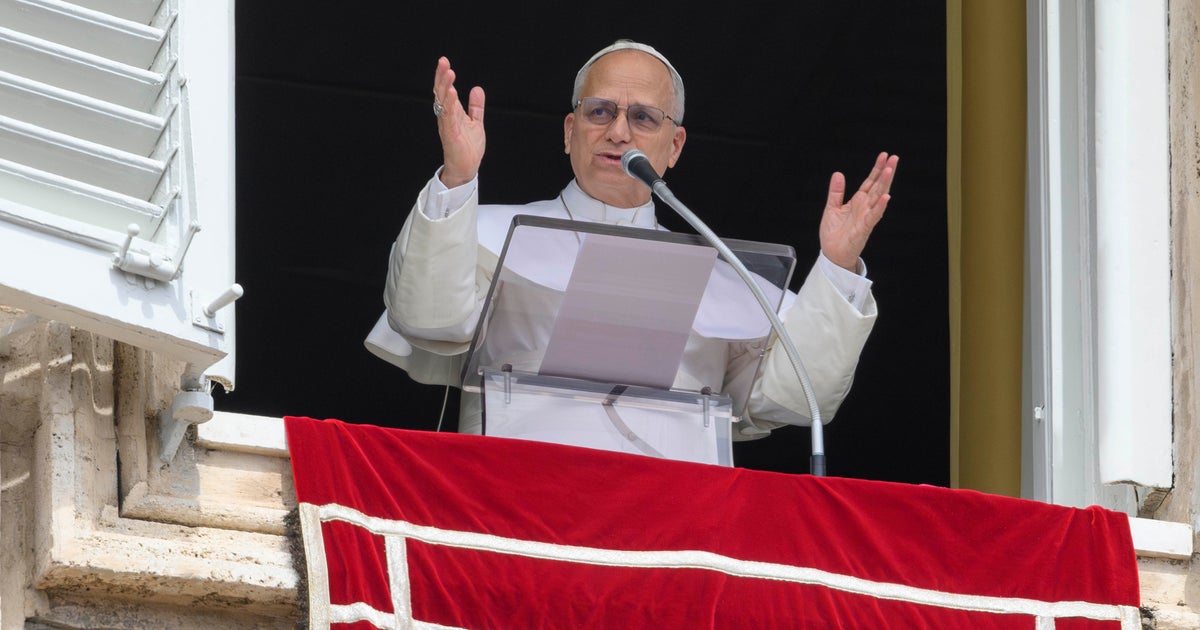
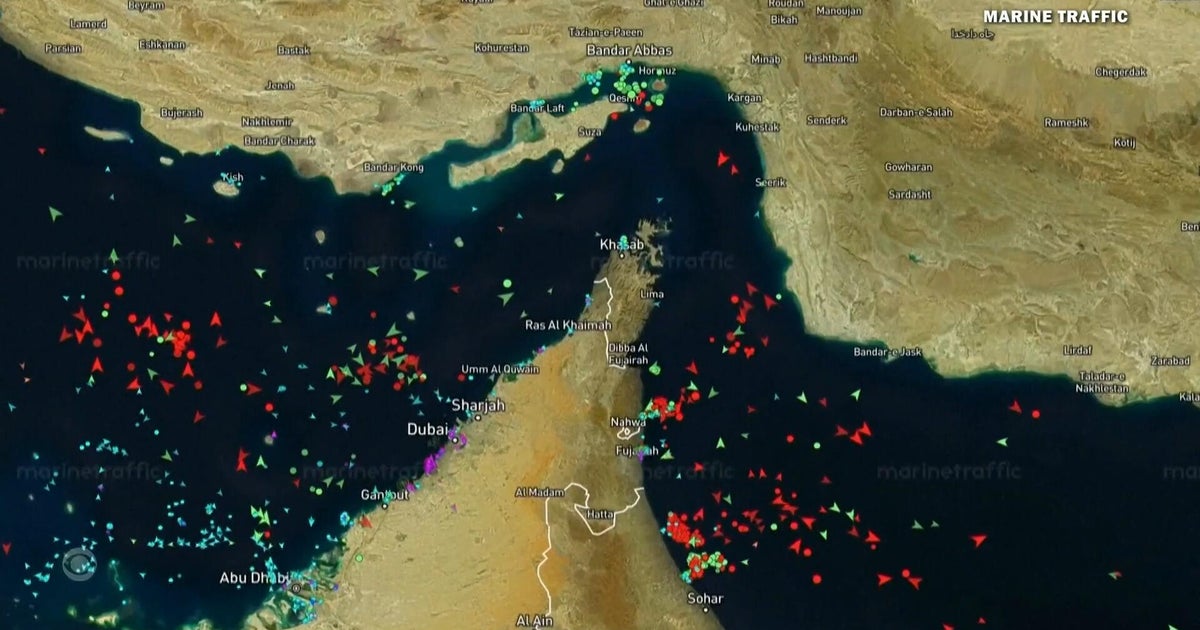
In recent weeks, Pope Leo XIV has significantly sharpened his rebukes on the war in Iran, moving from prayers for peace to a rare condemnation, rebuking President Trump’s rhetoric.
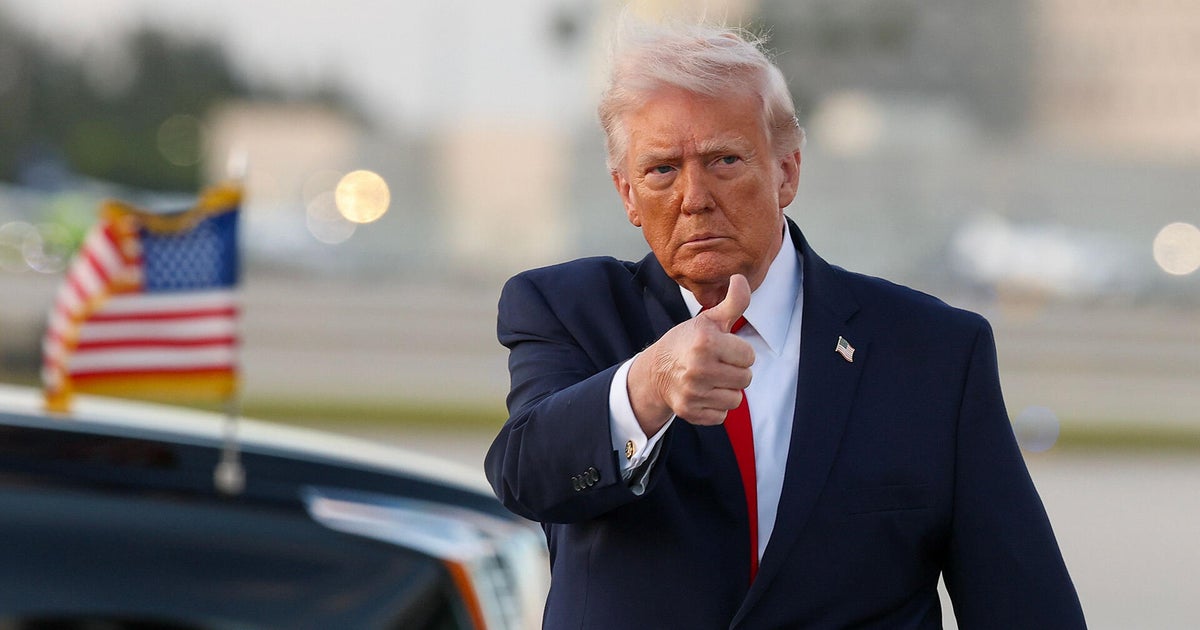
Shortly before the ceasefire was negotiated on April 8, Mr. Trump threatened to destroy Iranian civilization. Leo called the president’s comment “truly unacceptable.” He also issued a call to action.
“Contact the authorities — political leaders, congressmen — to ask them, tell them to work for peace and to reject war always,” he said to journalists gathered at Castel Gandolfo, the papal retreat.
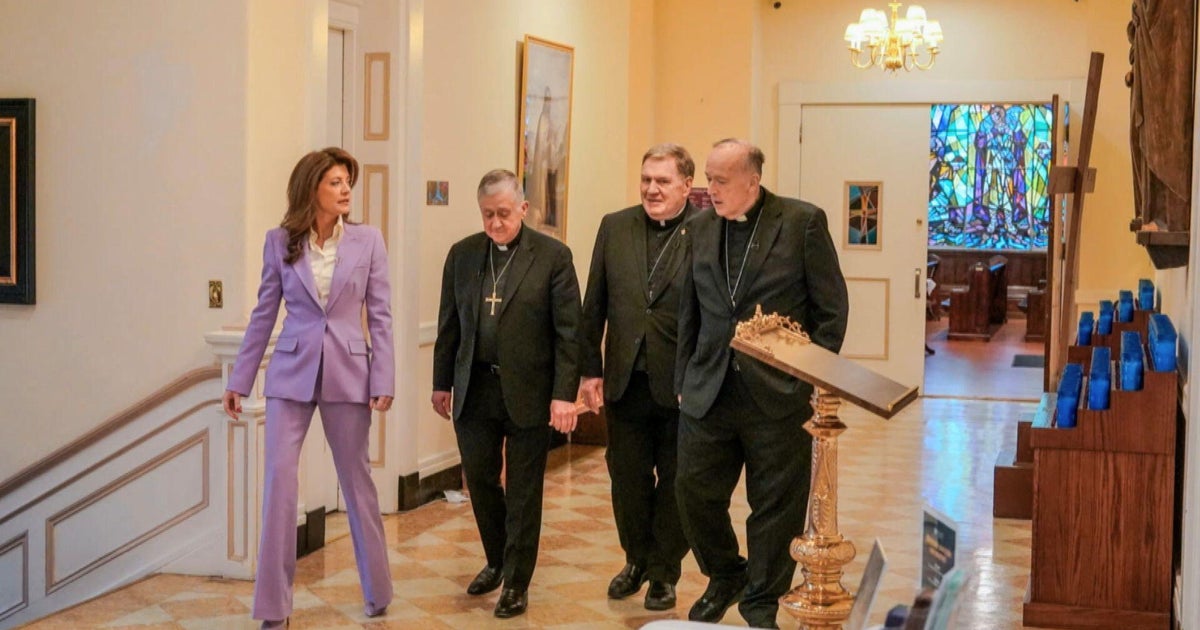
The Iran conflict is not a just war, according to Cardinal Robert McElroy, the archbishop of Washington.
“The Catholic faith teaches us there are certain prerequisites for a just war,” McElroy said. “You can’t go for a variety of different aims. You have to have a focused aim, which is to restore justice and restore peace. That’s it.”
Emergence of a moral voice for a ceasefire with Iran
Mr. Trump has argued that military action against Iran was needed to destroy its nuclear and ballistic missile program, among other reasons. Iran has backed several terrorist organizations for decades.
“It’s an abominable regime, and it should be removed,” McElroy said. “But this is a war of choice that we went into, and I think it’s embedded in a wider moment in the United States that’s worrying, which is this: We’re seeing before us the possibility of war after war after war.”
Leo has been a prominent voice in calling for an end to the conflict in Iran since the war began in late February.
“I am praying for peace, I hope that [a] ceasefire would be the most effective way to work together to find peace for all parties, to respect all parties and to come to a solution,” the pope told 60 Minutes last month, weeks before a ceasefire was reached last week.
60 Minutes 
Leo usually avoids calling out the president or any member of his administration by name. But in a Palm Sunday homily, he appeared to reference the religious language of Secretary of Defense Pete Hegseth, who is Christian, but not Catholic.
The pope warned that Jesus “does not listen to the prayers of those who wage war.”
Cardinal Blase Cupich, the archbishop of Chicago, takes issue with what he calls “the gamification” of how the White House has portrayed the war on social media. He’s called videos posted of bombings in Iran “sickening.”
“We’re dehumanizing the victims of war by turning the suffering of people and the killing of children and our own soldiers into entertainment,” Cupich said.
When asked, he acknowledged that some parishioners may not want to hear politics from their priests.
“I say fine. I want to preach the gospel,” Cupich said. “God wants us to promote peace in the world because His desire is that we be one human family.”
The Catholic Church and immigration
Leo has also communicated through his actions on another Trump administration policy: mass deportations. When the United States celebrates its 250th anniversary on July 4, the first American-born pope will not spend this day in the U.S., but instead at a primary European entry point for migrants.
With his July 4 plans, Leo is sending a message that “his top priority right now is to be with those who are downcast and marginalized,” according to Cupich.
Cardinal Joseph Tobin, the archbishop of Newark, this past January, called U.S. Immigration and Customs Enforcement a “lawless organization.”
“I didn’t say that they were people without law,” Tobin said. “But when people act in this way, when they have to hide their identities to terrify people, when they can actually violate other guarantees of our Constitution and Bill of Rights, well, I think somebody’s got to call that out and I’m not the only one.”
60 Minutes 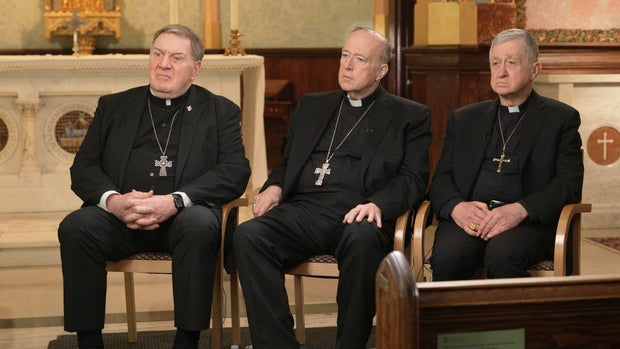
In November, the U.S. Conference of Catholic Bishops issued a rare and unified rebuke denouncing the “indiscriminate mass deportation of people.” The last time the bishops criticized the policy of a sitting president in a “special message” was 13 years ago, when they opposed an Obamacare mandate requiring employers to cover contraceptive care.
McElroy said he believes in strong borders and felt immigration was “getting out of control” under the Biden administration. But he also doesn’t agree with the Trump administration’s policy.
“This is a roundup of people throughout the country,” he said. “People who have been living good, strong lives, been here a long time, raised their children here, many of their children born here, and are citizens. That’s what our objection is.”
While Catholic leadership is defending the rights of immigrants and calling for humane treatment, the majority of the Catholic population in the U.S. voted for Mr. Trump, who campaigned on cracking down on immigration and securing the border. He won 55% of the Catholic vote, according to a Pew Research survey of validated voters.
However, Cupich, referring to mass deportations, said he thinks “it’s very clear the American people are saying, ‘We really didn’t vote for this.'”
“I think Pope Leo wants to make the dream of Pope Francis a reality”
Before his death last year, Pope Francis rebuked the Trump administration’s plans for mass deportations. During his papacy, he also helped open up Castel Gandolfo — which for 400 years has been the pope’s summer home — to the broader public, creating a job training center on the land. It’s centered around migrants and locals in need, according to the Rev. Manuel Dorantes, a priest from Chicago and immigrant to the U.S. himself.
“I think Pope Leo wants to make the dream of Pope Francis a reality,” Dorantes said. “After we explained the whole vision and talked with him, he said to us, ‘Full force ahead, Father Manny.'”
At the same estate where Leo travels to rest every week, migrants and other vulnerable individuals will train each week in sustainable farming practices, gardening and cooking. The goal is to be able to train around 1,000 people a year.
“That doesn’t sound like a big number. But ultimately, it’s a model of how if every church did something like this, every diocese — we have 6,000 of them, you know — that’s a lot of people we could train in a year,” Dorantes said.




Leave a Reply