
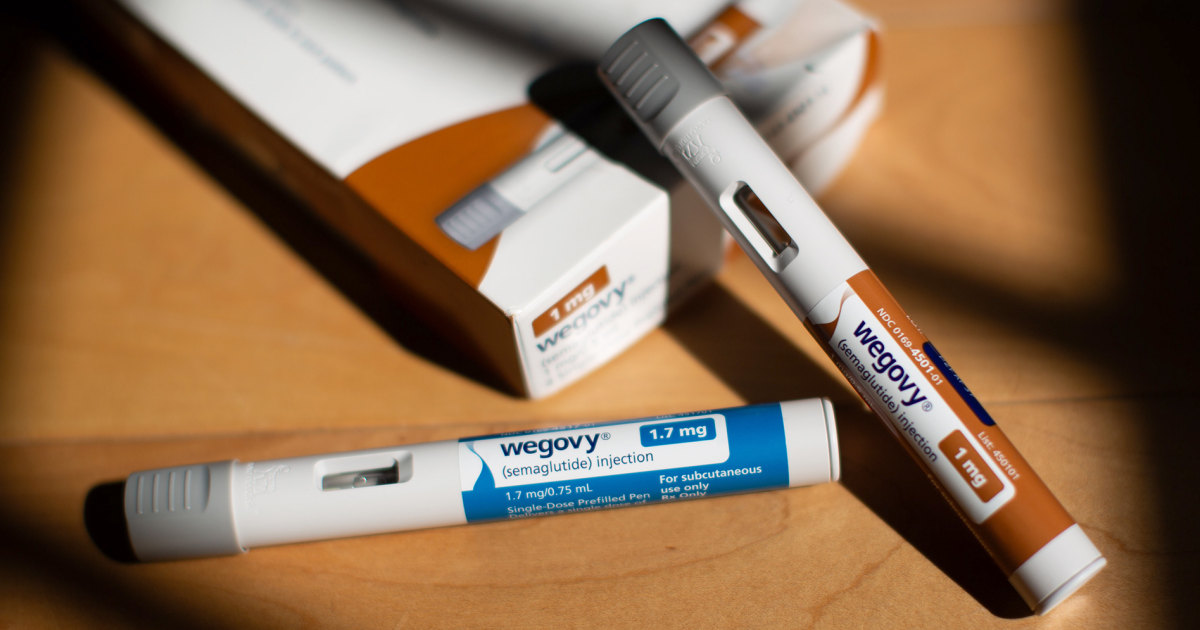
For Dr. Joseph Cacchione, the math on GLP-1 drugs stopped making sense.
Subscribe to read this story ad-free
Get unlimited access to ad-free articles and exclusive content.

The CEO of the Philadelphia-based nonprofit hospital system Jefferson said his organization now spends more on prescription drug coverage — fueled by the soaring use of weight loss medications like Wegovy and Zepbound — than it does on inpatient care.
Jefferson has dozens of hospitals across the region. It also has its own insurance plan for its 65,000 employees.
A decade ago, prescription drugs made up about 14% of Jefferson’s insurance spending, Cacchione said.
Last year, it was 40%. In 2025, Jefferson’s insurance arm reported about a $180 million loss, about a third of which was driven by coverage of GLP-1s, the CEO said.
He was forced to lay off more than 600 employees as drug coverage ate up operating costs. This year, the insurance plan started requiring employees to go through diet and lifestyle programs before it would cover GLP-1 drugs for weight loss — a restriction Cacchione said has already saved Jefferson $20 million.
“We understand the value of them, but they are putting a big stress on the system,” he said. “The system wants to pay for them. We just can’t afford to pay for them right now.”
More from NBC News’ Cost of Denial series
Exactly what insurers and employers pay for GLP-1s is difficult to pin down. Currently, the monthly list price for Novo Nordisk’s Wegovy is $1,349 and for Eli Lilly’s Zepbound, $1,086. But insurance plans don’t pay that amount, thanks to discounts and rebates.
According to Blue Cross Blue Shield, the net price for employer-sponsored coverage of GLP-1s ranges from $617 to $766 a month per employee. (Bigger discounts are available for patients who forgo insurance entirely and pay for the drugs out of pocket, but these prices don’t affect what insurers and employers pay.)
In a statement, a Lilly spokesperson said the company is taking steps to get more employers to cover GLP-1 medications, including a new program that lowers the cost for people with job-based insurance.
Novo Nordisk announced last month that, starting in 2027, it will cut Wegovy’s list price by half, to $675.
Cacchione said it’s still not enough. “I think they’re going to have to come down more than half,” he said. “But half is a great start.”
More employers restrict access
Jefferson’s experience is part of a growing dilemma across the U.S. health care system. As demand for GLP-1 drugs surges, employers and insurers are struggling to keep up with the cost, with some plans scaling back coverage or dropping it altogether.
A survey from KFF, a nonprofit health policy research group, found many large employers are tightening access to GLP-1 drugs. In 2025, about 1 in 5 companies with at least 200 workers covered the medications for weight loss, rising to about 1 in 2 of the largest companies.
However, about a third of the employers that covered the drugs required workers to try diet or lifestyle programs first — up from just 10% a year earlier.
“Employers were universally telling us they ended up spending more than they thought they would and it was a big shock to their prescription drug spending,” said Matt Rae, the associate director of the Program on the Health Care Marketplace at KFF.
The increased spending was dramatic for Jefferson.
“The uptake was very quick,” Cacchione said.
He said the move to restrict access to the drugs was aimed at limiting what he described as “casual” use.
If you are dealing with bills that seem to be out of line or a denial of coverage, care or repairs, whether for health, home or auto, please email us at Costofdenial@nbcuni.com.
Short-term use of GLP-1 medications has become widespread over the past several years, said Dr. Christopher McGowan, a gastroenterologist who runs a weight loss clinic in Cary, North Carolina.
It began, McGowan said, with the off-label use of diabetes drugs like Ozempic and Mounjaro for weight loss and accelerated with the rise of cheaper compounded versions, which are essentially copycat versions of the drugs made by pharmacists.
“For an individual, that may be a worthwhile trade-off,” McGowan said. “But for a health system or insurer, it means paying a high price for a temporary result.”
Cacchione said some employees wanted to drop 15 or 20 pounds.
They say, “‘I’m a little overweight. I’m getting married. I want to drop 15 or 20 pounds.’ They go right on the GLP-1s,” he said.
Liz Skrbkova, a spokesperson for Novo Nordisk, said a growing body of research shows the health benefits of GLP-1 drugs could translate into long-term savings for employers and the economy. She pointed to a 2025 report from the Institute for Clinical and Economic Review, which found that Wegovy is cost-effective on an individual level because it can treat obesity, diabetes and other conditions. However, because the U.S. has high rates of obesity, the price may still cause strain on health systems’ budgets.
Cacchione said he understands the arguments about GLP-1s and long-term health care costs. The medications have been approved to reduce the risk of heart attacks and strokes, slow the progression of kidney disease and treat sleep apnea.
“There’s no question that they will have a return on investment,” Cacchione said, ”but who pays for them in the year that you deliver them?”
“Who pays that $15,000 so I can save money 10 years from now?” he added. “We haven’t answered that question, and it becomes, is the employer willing to do that? Because if the employer is not willing to do it, it’s going to fall on the patient.”










Leave a Reply