
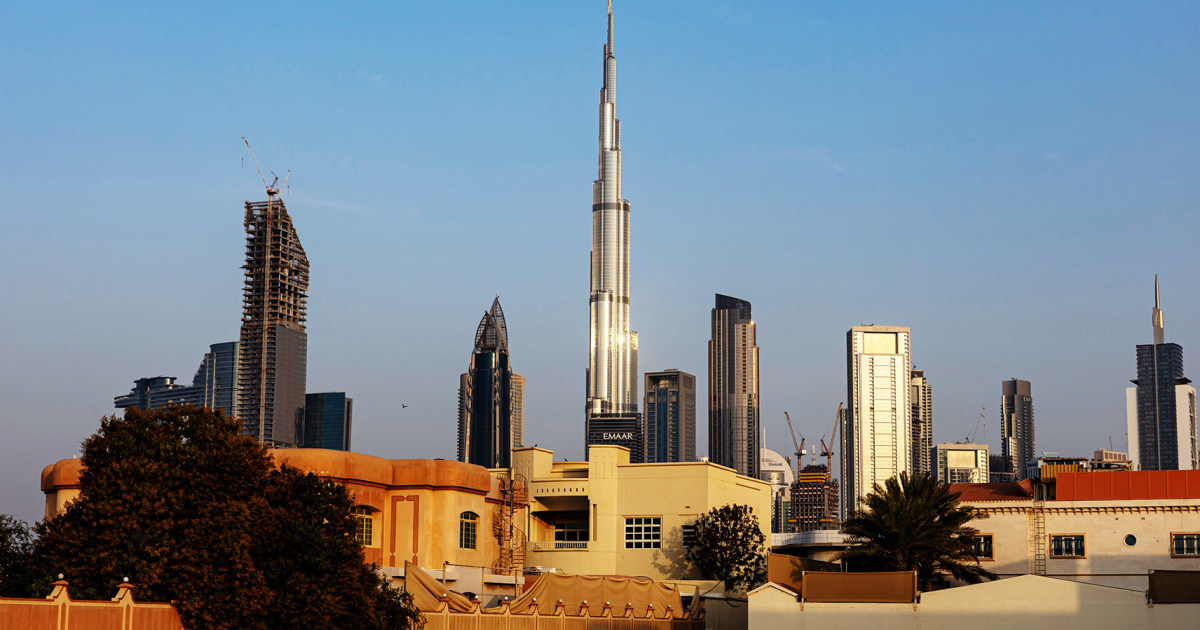
The United Arab Emirates said Tuesday that it would leave OPEC, the Organization of the Petroleum Exporting Countries, which coordinates oil output among leading energy producing nations. The country joined OPEC in 1971.
Subscribe to read this story ad-free
Get unlimited access to ad-free articles and exclusive content.

The departure from OPEC will likely lead the UAE to boosting energy output. Although with the Strait of Hormuz closed, it’s not clear how fast any increased production would be able to reach global markets.
“Following its exit, the UAE will continue to act responsibly, bringing additional production to market in a gradual and measured manner, aligned with demand and market conditions,” its state-run news agency said.
In recent years, the UAE’s oil output was the third largest in OPEC, behind only Saudi Arabia and Iraq.
“While near-term volatility, including disruptions in the Arabian Gulf and the Strait of Hormuz, continues to affect supply dynamics, underlying trends point to sustained growth in global energy demand over the medium to long term,” the UAE added in the statement posted to the website of its state-run news agency.
Meanwhile, the price of U.S. crude oil surpassed $100 per barrel for the first time since April 10, after peace talks with Iran failed show meaningful progress and the United Arab Emirates said it would leave OPEC.
After breaking above $100, which is seen by analysts as a resistance threshold, U.S. West Texas Intermediate crude rose to nearly $102 per barrel in early morning trading.
International oil benchmark Brent also jumped sharply in early trading, rising to nearly $113 per barrel.
Also driving energy prices higher again on Tuesday was a lack of progress in talks between the U.S. and Iran.
After President Donald Trump announced a ceasefire with Iran on April 7, the price of Brent plunged more than 17% by April 17, when Iran said the Strait of Hormuz was open to commercial vessels.








Leave a Reply