
Louisiana Gov. Jeff Landry and Louisiana Attorney General Liz Murrill on Thursday said that the Supreme Court’s ruling on Wednesday against the state’s congressional map means that the planned May 16 congressional primaries won’t proceed as scheduled as lawmakers consider drawing a new map.
“The Supreme Court previously stayed an injunction against the State’s enforcement of the current Congressional map. By the Court’s order, however, that stay automatically terminated with yesterday’s decision. Accordingly, the State is currently enjoined from carrying out congressional elections under the current map. We are working together with the Legislature and the Secretary of State’s office to develop a path forward,” they wrote in the statement.

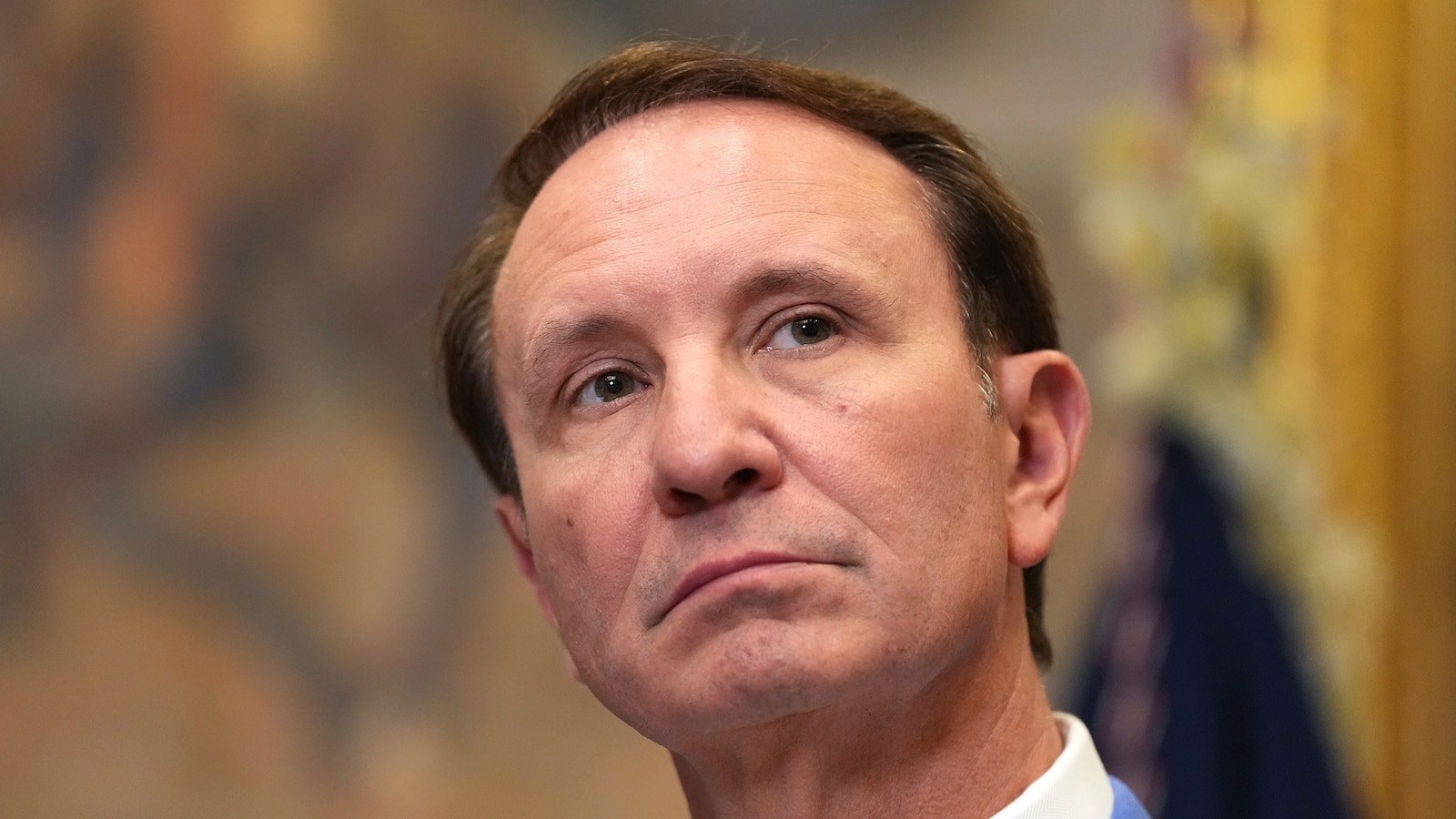
In this March 24, 2025, file photo, Louisiana Governor Jeff Landry speaks in the Roosevelt Room of the White House in Washington, D.C.
Win McNamee/Getty Images, FILE
Landry told at least some Republican House candidates in Louisiana that he plans on Friday to suspend the state’s primaries, according to multiple Republican sources.
A Republican source told ABC News that the governor called one candidate on Wednesday and said he is making calls to all of the candidates that he plans on Friday to suspend the election using executive power. The Washington Post was first to report about the governor’s calls.
The source said it was unclear if this will apply to all of the planned primaries, which include a closely watched Senate primary, or just the primaries for the House that would be impacted by a new congressional map.
ABC News has reached out to Landry’s office and the office of the Louisiana secretary of state.
The Supreme Court’s ruling on Wednesday reverses lower court decisions that said Louisiana’s map, drawn after the 2020 census, violated the Voting Rights Act because only one of six districts was majority Black. More than a third of the state’s voting age population is Black.

The U.S. Supreme Court building in Washington, April 29, 2026.
Nathan Howard/Reuters
Those courts had ordered Louisiana to add a second majority-Black district, a process which in turn explicitly relied on race. In his opinion, Justice Samuel Alito said that move infringed on the rights of white voters under the 14th Amendment’s equal protection clause.
Absentee ballots in Louisiana have already been sent out, and votes have likely been cast, although early voting in person does not start until Saturday, May 2. Absentee voting is relatively limited in Louisiana and requires a valid excuse.
Democratic Rep. Troy Carter from Louisiana said on Wednesday at the Congressional Black Caucus press conference that elections are too close at this point for congressional maps to change.
“We are in the 2026 election cycle now. The Supreme Court has set precedent just four years ago in a case in Louisiana, they ruled the district to be unconstitutional, said it’s too close to the election now, therefore we will do it in the next cycle,” Carter said, later adding that “if precedent matters, then clearly this is something that will have to be taken up in 2028 cycle, not the 2026.”
But the Louisiana’s existing map cannot be used, according to the Supreme Court’s ruling. Technically the state could revert back to its original 2022 map with one majority-Black district or redraw a new map entirely. Some legal experts have argued Louisiana could still keep its current map for the May primaries.

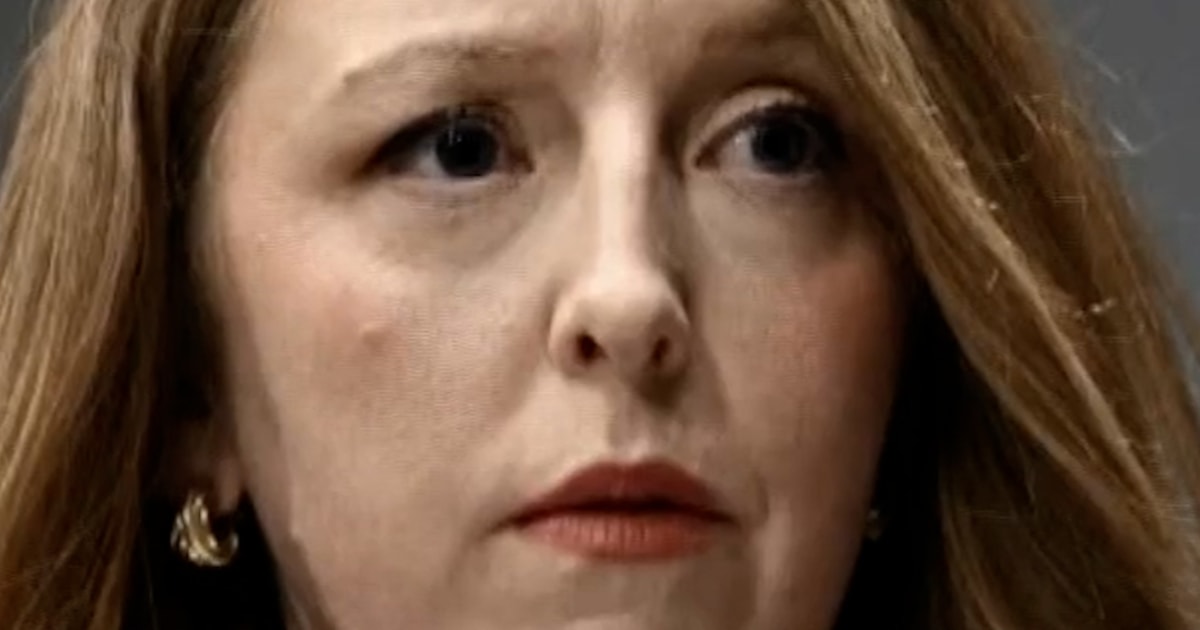
In this Oct. 15, 2025, file photo, Louisiana Attorney General Liz Murrill, center, speaks with the news media upon leaving the Supreme Court after giving arguments in the case drawing new congressional district boundaries, in Washington, D.C.
Cliff Owen/AP, FILE
On Thursday, Murrill put in a filing with the Supreme Court saying, “Louisiana currently ‘is prohibited from using SB8’s map of congressional districts for any election’. The Governor and Attorney General are thus working with the Legislature– which is in session until June 1 — to immediately produce a constitutional map and electoral process for Louisiana.”
On Wednesday, Landry praised the ruling, but declined to say if it would have an impact on those primaries or not.
“Look, I think that anyone who jumps to conclusions right now — I think it’s going to take us at least 24 hours to really pore through the opinion to understand what exactly that opinion is telling us,” he told reporters. But he left the option open to a map redraw: “I mean, look, the Supreme Court picked an interesting time to be able to drop that on us… the court decides to give it to us on the eve of the election. What are they telling us? Are they telling us we have to draw? Telling us we don’t have to draw?”
ABC News’ Devin Dwyer and Hannah Demissie contributed to this report.





Leave a Reply