
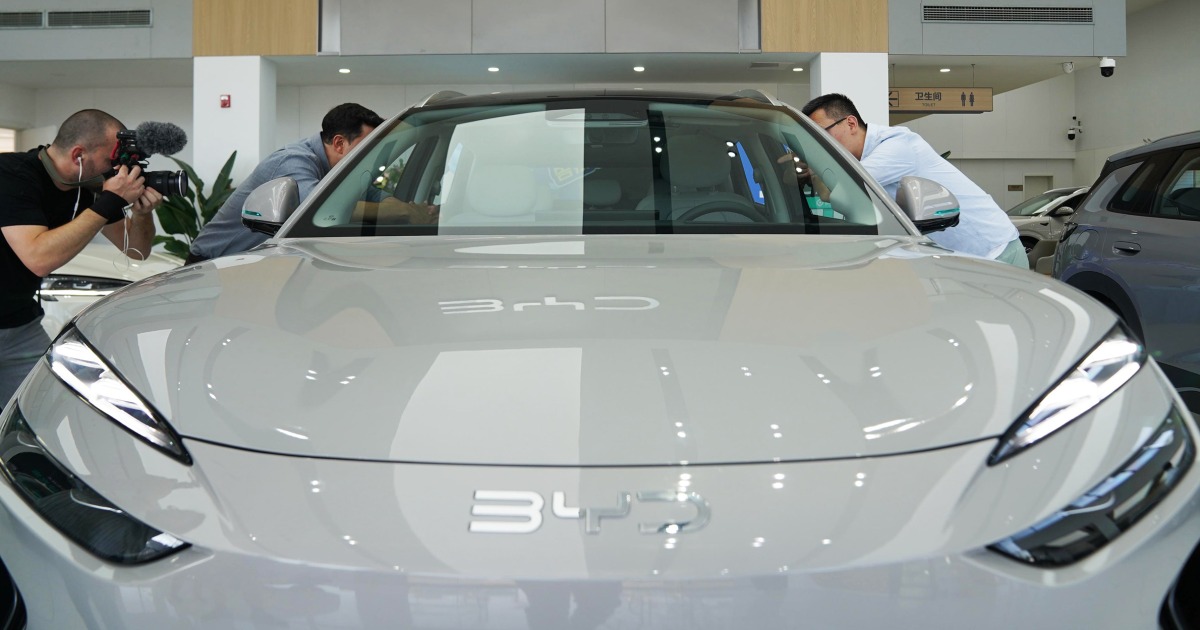
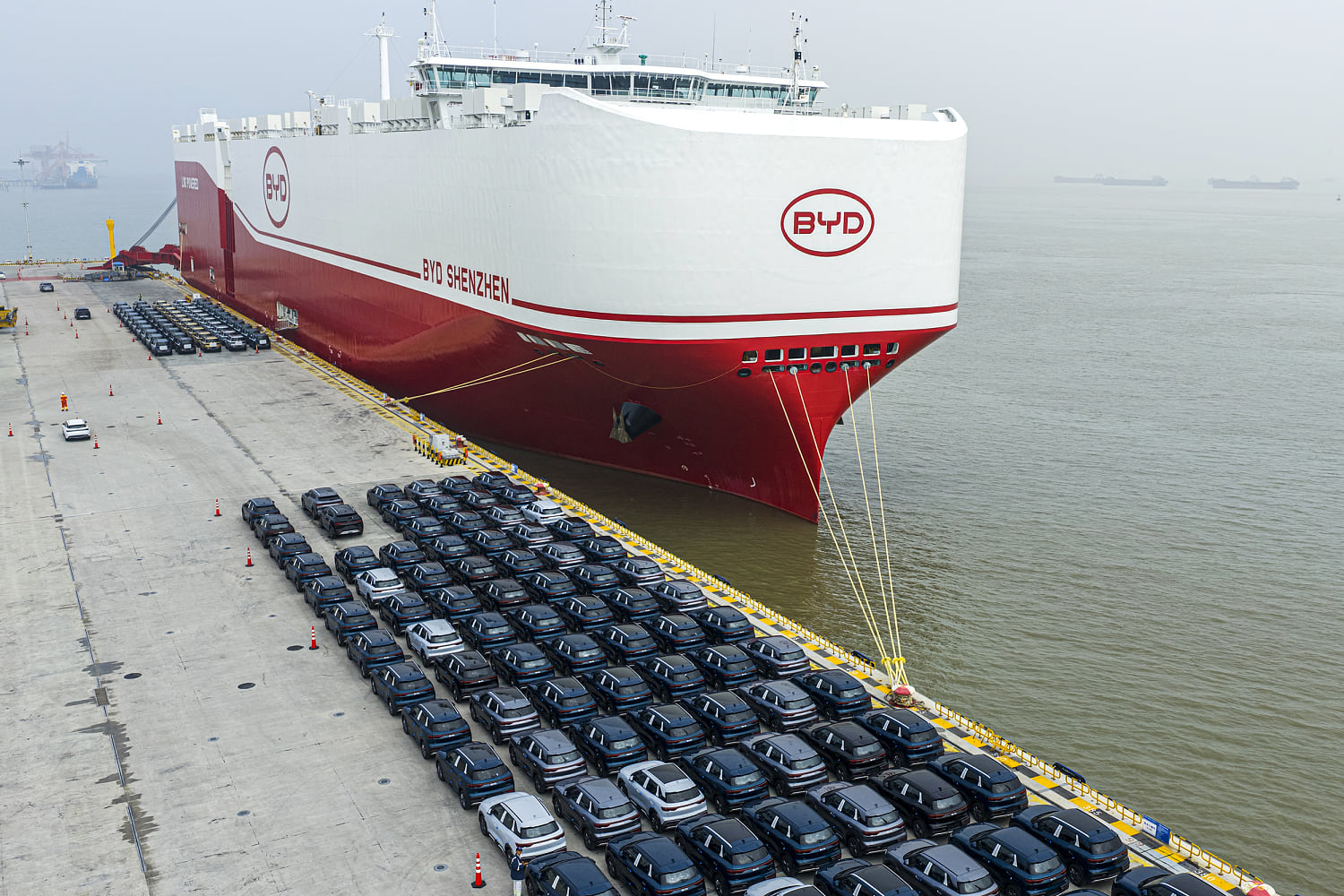
Even Ford Motor Co. CEO Jim Farley drove an electric car from Chinese brand Xiaomi for six months in 2024, telling a podcast at the time, “I don’t want to give it up.” Farley told reporters last month that Ford plans to expand its partnerships with Chinese companies outside the U.S. while guarding against the potentially “devastating” impact Chinese EVs could have on American manufacturing if they were to enter the U.S. market.
TikTok and other social media platforms have also been flooded with videos by Americans promoting Chinese EVs, some of whom attend events in China on all-expense-paid trips.
“There were so many American YouTubers” doing car reviews at this year’s Beijing auto show, which ended May 3, Xing said.
While allowing Chinese cars into the U.S. could make EVs more affordable in the short term, there could be serious economic consequences, said Michael Dunne, founder and CEO of Dunne Insights, a San Diego-based advisory firm that specializes in global electric and autonomous vehicle markets.
“There’s costs associated with that decision, and I wish that the American consumer would be less naive about those costs,” he said.
Wang said he favored greater Chinese investment in the U.S. because “greater competition generally improves product quality as well as the price points.” He pointed to the improvements in American cars that resulted from Japanese competition and investment in the 1980s.
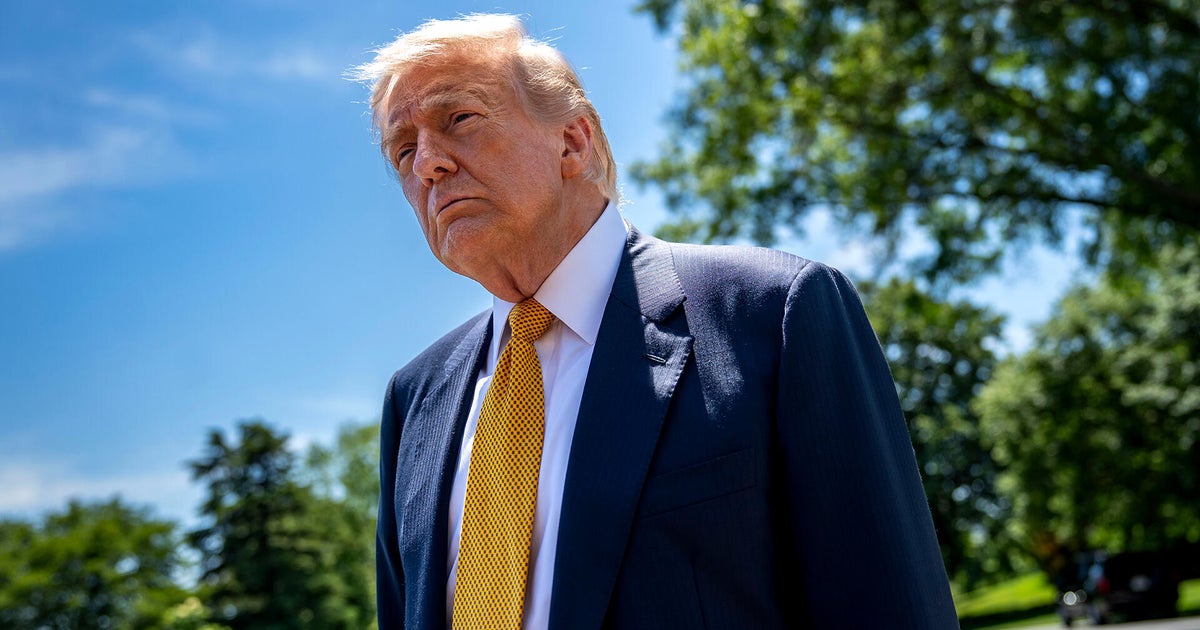
Trump has expressed openness to the idea.
“If they want to come in and build a plant and hire you and hire your friends and your neighbors, that’s great, I love that,” he said in January. “Let China come in.”
Dunne noted that Chinese EV makers are hungry for a new market, giving the U.S. its own leverage if it decides to open up.
“What are you going to do for us if we give you access to the U.S. market? How much are you going to invest? Where? What technologies will you transfer?” he said. “Make it not so easy for the Chinese to get in here, just as they made it hard for us to get into the Chinese market.”
Tom Llamas and Jennifer Jett reported from Beijing, and Jay Ganglani from Hong Kong.

Leave a Reply