
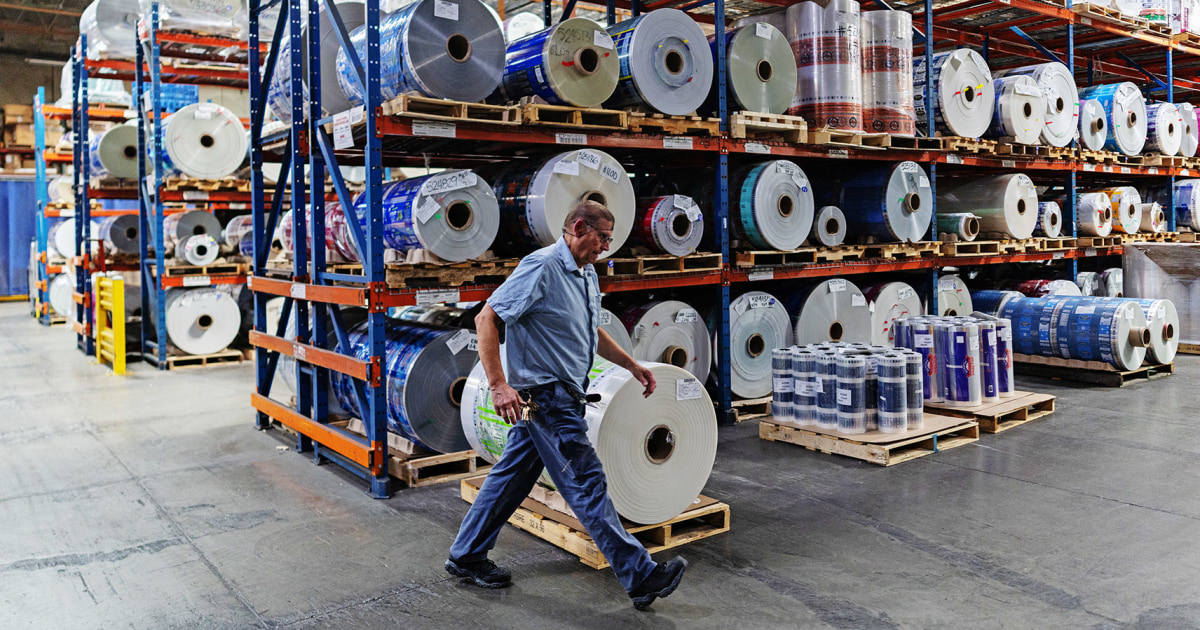
Nearly every American consumer staple, from fresh produce and baked goods to household supplies and medical equipment, has been packed at some point in lightweight, flexible plastic sacks, known in the industry as poly bags.
Subscribe to read this story ad-free
Get unlimited access to ad-free articles and exclusive content.

Elevated gas prices have already given U.S. consumers a sense of how the U.S.-Israeli war with Iran can impact their wallets when crude oil prices increase.
But the downstream cost increases across products further along the supply chain are only beginning to be calculated.
The price of polyethylene, a synthetic resin derived from petroleum and natural gas and used to make plastic packaging, has soared alongside oil prices.
Last year, the Middle East accounted for around 42% of global exports of polyethylene, according to data from the polymer and chemical analysis firm ITP.
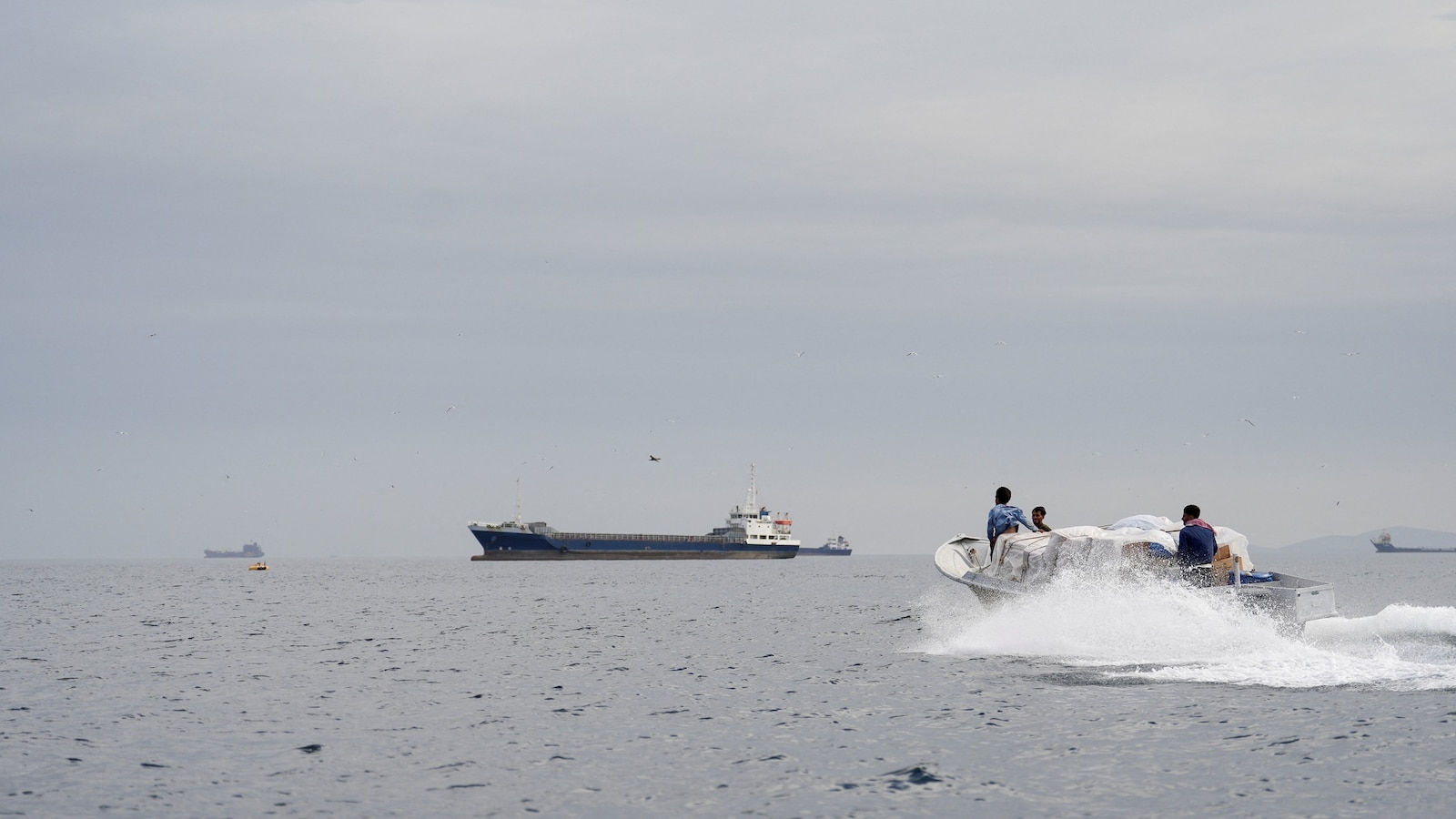
With oil tankers effectively barred for weeks from transiting the critical Strait of Hormuz — the only way to reach the global market — plastic packaging producers have seen their costs skyrocket.
The price of polyethylene pellets, known as resin, has nearly doubled since the United States and Israel launched the war, and was up 30 cents per pound at the start of April.
Two American plastic manufacturers told NBC News the tenuous U.S.-Iran two-week ceasefire agreement came too little, too late to slow down the incoming price hikes.
“Maybe late summer, you might start to see some price relief,” said Kevin Kelly, the CEO of Emerald Packaging, a California based company that produces millions of plastic bags each year.
Kelly typically prices out products for his buyers months in advance. But because of how quickly resin prices are now changing, he can no longer promise his buyers a set price for an extended period of time.
“April is baked in, May is baked in, June is probably baked in so that means the first relief you might see is in July or August,” he said.

Emerald Packaging has already passed along an 8% price increase to its customers, which include major produce companies such as Taylor Farms and Dole. Kelly says this is the single largest monthly increase in operating costs he’s seen in his 30-year career.
“I’m stunned at the position we’re finding ourselves in,” he said.
The price of a pound of polyethylene in February was 45 cents, Kelly said. In April, it was up to 95 cents. By May, it could be as much as $1.10.
If these estimates pan out, Kelly anticipates that he’ll have to increase his prices another 15%-20% “almost immediately,” because his profit margins aren’t high enough to absorb the costs, even if they’re only temporary.
“The consumer will end up paying the price,” he said. “All these cost increases will get passed through because no company can absorb them and there’s only one place for them to go.”
Six weeks into the war, however, it’s still difficult to measure how much more money grocery store shoppers might be paying already as a result of the plastic squeeze.
This is largely because the energy shock has upended pricing across so many industries in such a short time that it’s nearly impossible to identify which of the costs passed on to consumers can be traced back directly to plastics and which reflect other input costs, like higher prices for diesel fuel.
Foreign bidders
While stalled oil tankers in the Strait of Hormuz drive up market prices for resin, there are already signs of a broader raw material shortage, according to U.S. based plastic producers.
The recent Iranian strikes on Saudi Arabia’s Jubail petrochemical complex further destabilized the already shaky global plastics market. Jubail reportedly accounts for about 6%-8% of the world’s global petrochemical output.

Petrochemical plants compress and cool ethylene gas into resin that manufacturers can melt down into whatever shapes they want.
Major damage to critical facilities that produce polyethylene in the Middle East could take years, if not decades, to fully repair.
“This is bigger than just opening the Strait of Hormuz,” said Sandra Meyers, chief operating officer of the New Jersey-based poly bag producer Rutan. “We’ve lost worldwide capacity at this point.”
Faced with an urgent supply crunch, major plastics producers in Europe and Asia that traditionally source their raw materials from the Middle East have turned to America’s Gulf Coast.
“The Europeans were outbidding us” for resin, Meyers said, “by 10 cents to 15 cents” per pound.
Rutan buys the majority of its resin from suppliers on the Gulf Coast and ships it to a plant in Mahwah, New Jersey where it is melted down and shaped.
On top of limited supply and expensive raw materials, there’s also the second punch of higher transportation costs due to rising oil prices. Rutan says all of its carriers have implemented fuel surcharges since the war started.
“There is no lack of pound production in North America right now, it’s just that we cannot get material because the international regions are willing to pay more for it,” Meyers said.
“At some point, I do believe supply and demand are going to equalize,” she said. But more immediately, she is confronting the growing prospect of a massive shortage in resin worldwide.
“I was advised that most producers have been sold out for the whole month of April,” Meyers said of her resin suppliers.
“It there is no supply, that’s really where it will put companies like mine out of business,” she said.






Leave a Reply