
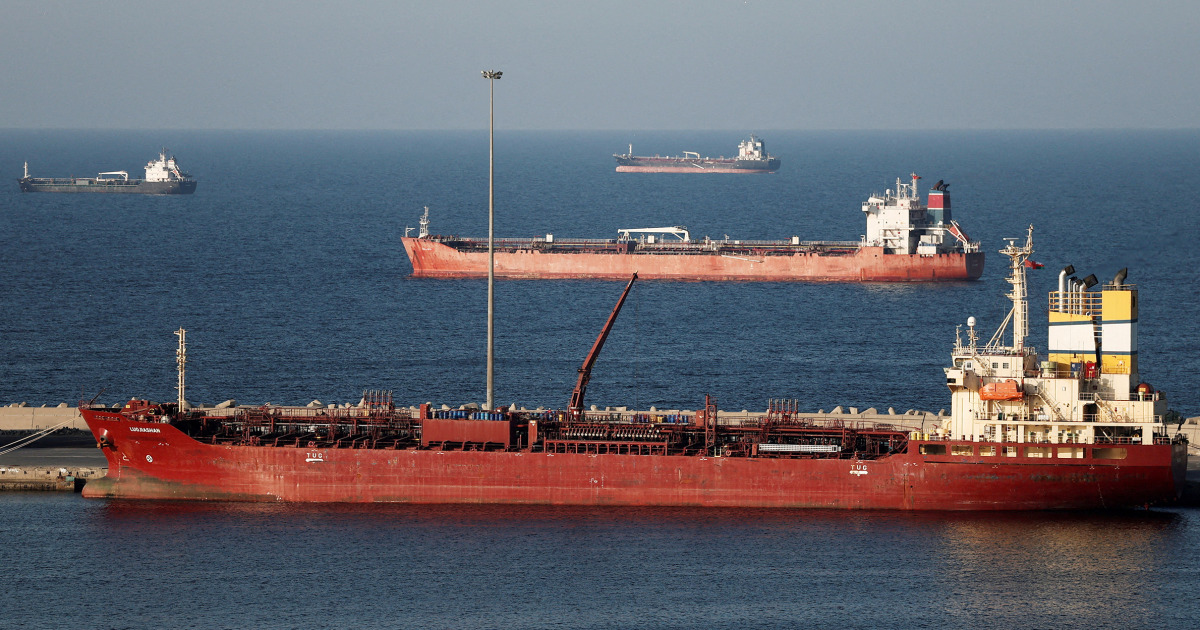
During the first 24 hours of the U.S. blockade of Iranian ports, American warships issued warnings to six vessels, prompting them to turn around, a U.S. official said Tuesday.
Subscribe to read this story ad-free
Get unlimited access to ad-free articles and exclusive content.

No shots were fired in the encounters, the official said, and U.S. personnel did not board any of the vessels before they reversed course.
Five of the ships were carrying oil, according to the official. The contents of the sixth vessel was not immediately clear. Two of the oil-carrying ships turned back in the first two hours after the blockade went into effect on Monday morning.
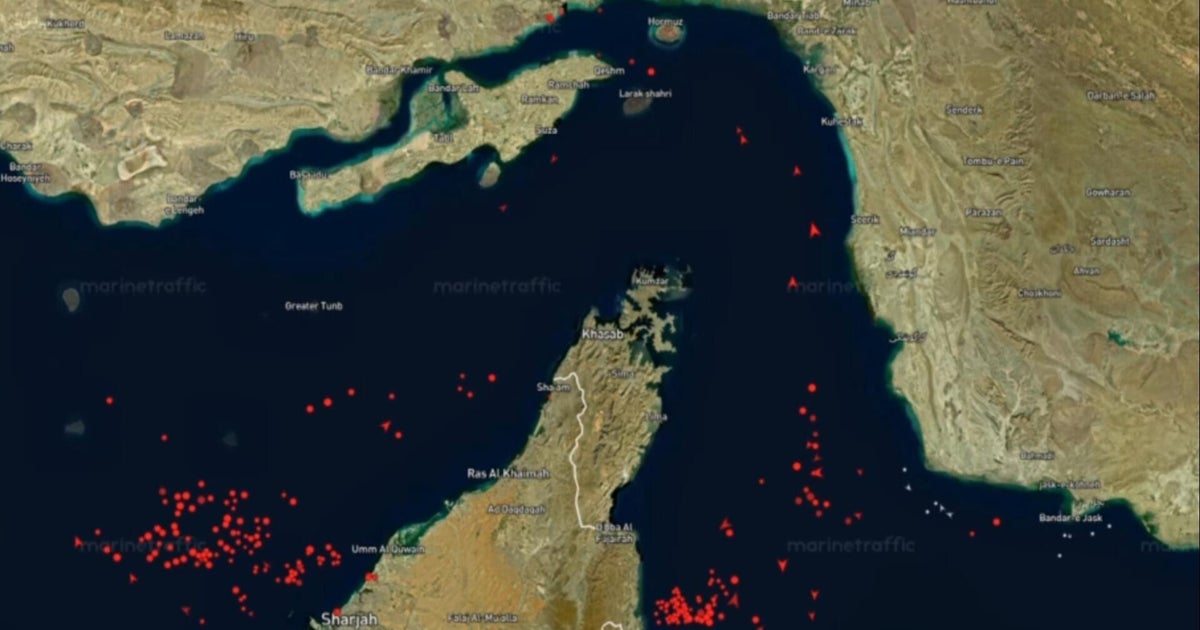
President Donald Trump announced the blockade a day earlier after negotiations with the Iranians failed to produce an agreement to end the war. Since fighting began in late Friday, traffic through the Strait of Hormuz has been at a near-standstill, sparking a rise in the prices of oil and other key goods.
The U.S. military is using more than 100 U.S. fighter and surveillance aircraft to enforce the blockade, as well as more than a dozen ships.
The official said the U.S. is stopping vessels as they enter the Gulf of Oman after they go through the Strait of Hormuz. The U.S. has more than a dozen ships in the Gulf of Oman and it does not make sense to move them to the Persian Gulf where they risk being in more danger, the official added.
Instead, the U.S. can use surveillance aircraft, manned aircraft and sea-based surveillance systems like radars to identify ships that are leaving Iranian ports and coastal areas and communicate with them over radio to let them know they are violating the blockade and need to turn around after they transit the Strait of Hormuz, the U.S. official said.
The U.S. military directs the ships to go back to Iranian ports in the Gulf of Oman, rather than back through the Strait of Hormuz because they have more options and assets in the Gulf of Oman to enforce the blockade.
So far, no ships have refused, but if they do, the U.S. military has full authority to use force to stop them, the official said, including using fighter aircraft or ships to fire on the vessels.
The official is not aware of whether the ships that have transited and continued along — like the Chinese tanker, the Rich Starry — have paid a toll to the Iranians. The official reiterated that the Starry was not in violation of the U.S. terms of the blockade because it originated in the United Arab Emirates, and the U.S. military did not order it to turn around.






Leave a Reply