

Scientists think the hantavirus, the deadly pathogen that has infected 11 passengers on a Dutch cruise ship, could be as old as humans. But much of their understanding of human cases comes from a handful of outbreaks within the past century.
Subscribe to read this story ad-free
Get unlimited access to ad-free articles and exclusive content.

The first known outbreak came during the Korean War in the 1950s, when around 3,000 United Nations troops developed a mysterious illness that scientists would later recognize as hantavirus.
But it wasn’t until some 20 years later, in 1978, that scientists linked the virus to a rodent near the Hantan river in South Korea, which gave hantavirus its name.
The first cases in North America were diagnosed in 1993. And in 1996, an outbreak in Argentina marked the first confirmed instance of person-to-person transmission.
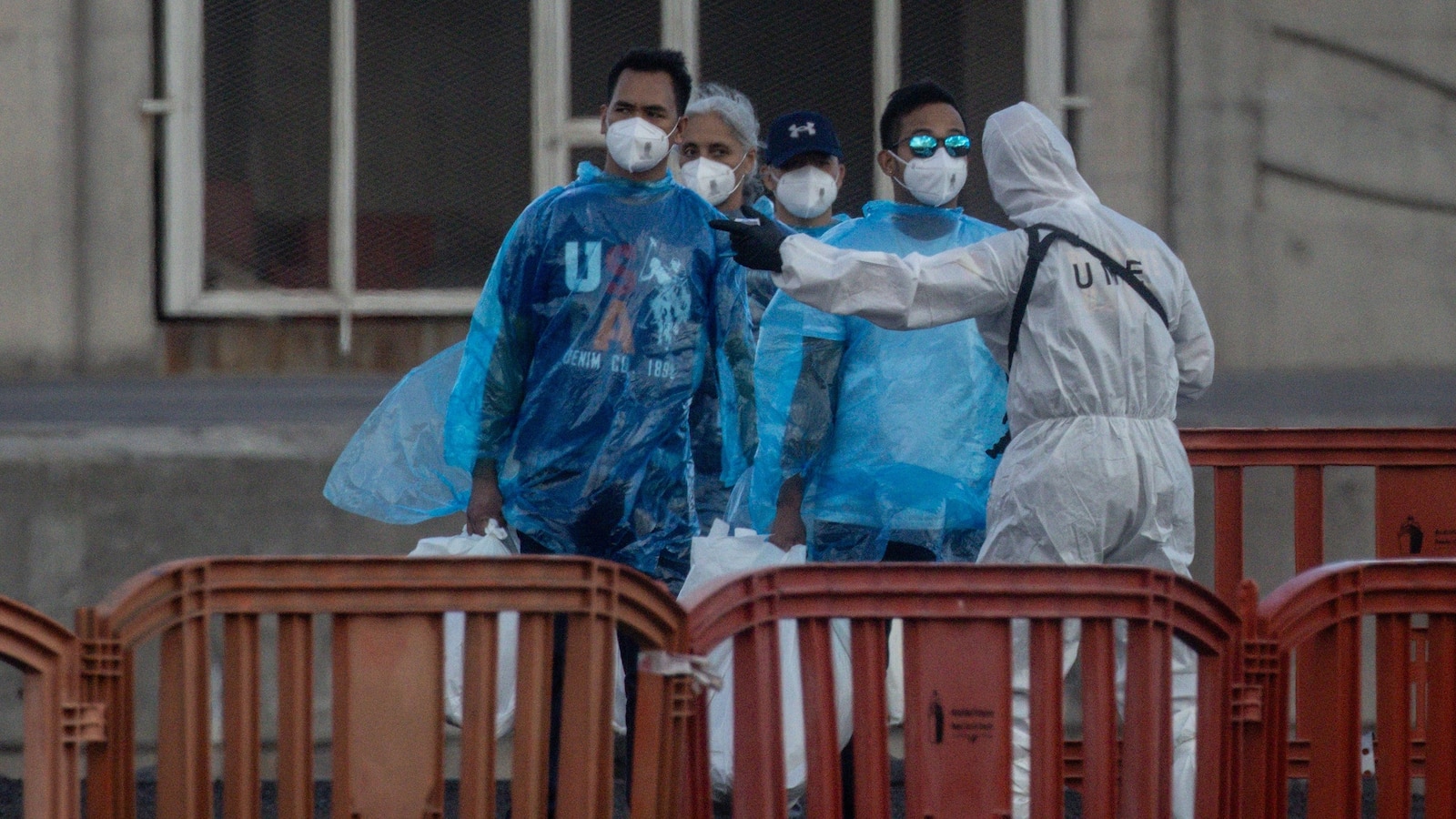
Hantavirus is rarer, but far deadlier than respiratory viruses like Covid or flu. Only one strain, which is not found locally in the U.S., is capable of passing between humans. That strain is the one involved in the cruise ship outbreak, which has forced passengers from across the world to quarantine.
The limited number of past outbreaks could offer clues about how the cruise ship passengers got sick — but doctors who have studied hantavirus said there’s more to learn.
“Because the disease is so incredibly rare, it’s been very difficult to study in the sense that we don’t really have the numbers,” said Dr. Charles Chiu, a professor of laboratory medicine and infectious diseases at University of California, San Francisco.
Fewer than 900 cases were reported in the U.S. from 1993 to 2023. Cases can also be hard to investigate because many people die quickly after developing symptoms. Up to half of hantavirus cases can be fatal, depending on the strain and method of transmission.
“The current outbreak will teach us more, because we’ve had very few of these events with more than a handful of patients,” said Dr. Gregory Mertz, emeritus professor of internal medicine at the University of New Mexico.
Here’s what we know about the major outbreaks over the last several decades.
Outbreaks in the Four Corners and Yosemite
In 1993, public health officials began investigating a mysterious cluster of illnesses in the “Four Corners” region of the United States, where Arizona, Colorado, New Mexico and Utah meet.
The first case to raise alarm was a 19-year-old long distance runner in New Mexico whose fiancée had just died of an unknown respiratory illness. The man sought medical care twice — first with a fever, muscle aches, chills, headache and fatigue, then with vomiting and diarrhea. But each time, his physical exam was normal, so he was sent home. He died after attending his fiancée’s funeral.
“There were physicians that recognized, through seeing or hearing about multiple cases, that maybe we were seeing something that we didn’t understand and we hadn’t learned about in medical school,” said Mertz, who helped investigate the outbreak.
The Centers for Disease Control and Prevention ultimately confirmed the illnesses as hantavirus based on antibody testing and autopsies.
At the time, the virus wasn’t known to infect humans in North America. But this particular strain — known as “Sin Nombre” — was linked to a deer mouse that had become more prevalent in the Four Corners after unusually heavy rain and snow that spring. By August 1993, around 30 cases had been identified in the southwestern U.S., 20 of whom died.










Leave a Reply